
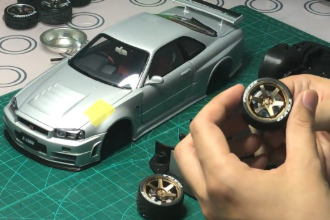
How to Protect Diecast Rubber Tires From Dry Rot & Flat Spotting
For diecast collectors, rubber tires are often the first part to fail.
Even if the paint, body and interior stay mint, tires can turn hard, develop tiny surface cracks, go sticky, or form permanent flat spots after months on display. This condition is widely known as dry rot.
The bad news: rubber aging cannot be reversed once cracking starts.
The good news? You can dramatically slow the process with simple storage and display habits. In this guide, we break down the causes and safe care routines for your diecast rubber tyres.
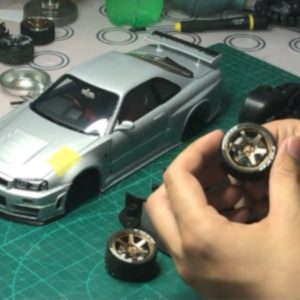
What causes diecast rubber tire aging?
- UV & sunlight — UV rays break rubber molecular bonds, making it brittle. Even indirect daylight speeds up dry rot over time.
- Heat & temperature swings — Heating from lamps, windows, heaters accelerates plasticizer loss inside rubber.
- Ozone — Near motors, power adapters, air purifiers, ozone attacks rubber sidewalls.
- Constant static weight load — The heavy diecast body presses down on the same contact patch 24/7, creating flat spots.
- Humidity & chemical contact — High moisture, skin oil, plastic base reaction, petroleum-based chemicals damage rubber.
- Important note: Some soft rubber tires may also leach plasticizer and turn
Important note: Some soft rubber tires may also leach plasticizer and turn sticky, which is a common material degradation issue.
Practical protection tips (collector approved)
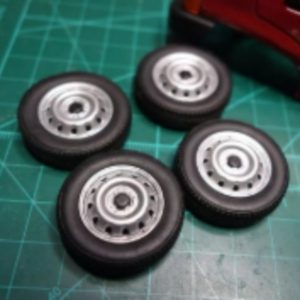
1.Keep them away from light and heat sources
No direct sunlight. Avoid display cabinets beside windows.
Do not place hot LED strip lights very close to models.
Ideal environment: cool, stable temperature, low humidity, dark or low ambient light. Closed display cases work best.
2.Prevent flat spots
Two easy methods:
- Rotate tires regularly: Pick up each model and spin the tires gently every 3–4 weeks, shifting the contact point.
- Lift the weight off tires: Use custom risers, wax paper, thin foam pads or display pegs to hold the chassis up, so tires barely touch the shelf surface.
If you keep models inside original blister packs: watch out! Some packing plastics will chemically react with soft rubber tires and make them sticky. Separate tires from the plastic base with release paper for long-term storage.
3.Safe cleaning & conditioning (critical — avoid wrong products)
- Safe: Soft lint-free brush + distilled water, very mild neutral soap. Pat dry completely.
- Never use: WD-40, brake cleaner, petroleum dressings, silicone sprays with heavy grease. These will break down rubber faster.
If you want to condition: choose rubber conditioner formulated for scale models, apply an ultra-thin coat only on sidewalls, keep tread clean. Test on one spare tire first
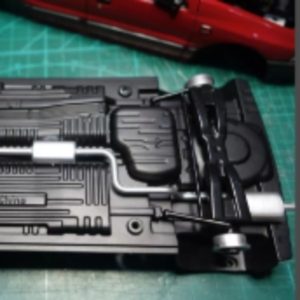
4.Storage routine for long-term archive
For models you are not displaying:
- Store individually in dry, sealed plastic containers with silica gel packets to control moisture.
- Do not stack heavy models on top of one another.
- Check every 2–3 months for early signs: dull matte surface, tiny crazing cracks, stickiness.
When damage already appears
Once fine cracks show on the sidewall, dry rot cannot be fixed. Conditioning only slows further splitting. Flat spots that are fresh may recover slightly if lifted and rested, but deep flat spots are permanent. Many collectors keep spare replacement tires for valuable grail models.
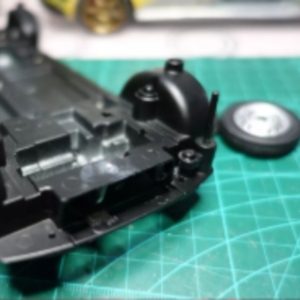
Rubber tires are a consumable part on diecasts. There is no permanent “stop aging” magic trick. The goal is stable, low-stress storage, limited UV exposure and periodic inspection. These habits will help you preserve your PAUDI MODEL and other collections in mint condition for many more years.


Leave a Reply
Want to join the discussion?Feel free to contribute!