
Nissan Ariya Pole to Pole: The EV That Drove From Magnetic North Pole to South Pole
The Legendary Pole-to-Pole Expedition
While JDM culture is widely known for roaring turbo engines, rear-wheel-drive drift legends and track-bred icons, this JDM story stands apart. Instead of focusing on lap times or drag races, it centres on a Scottish husband-and-wife team, Chris and Julie Ramsey, and a stock-core Nissan Ariya. Since the car travelled all the way from the Magnetic North Pole to the Geographic South Pole, it became the first vehicle ever to complete this route fully on electric power.
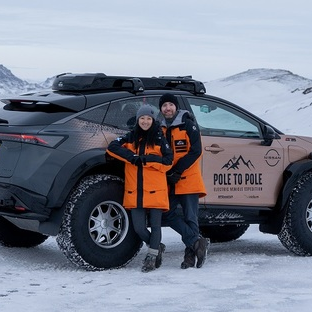
This expedition was not a last-minute marketing stunt. Instead, Chris and Julie spent five years planning every detail.
They were no strangers to electric adventure, for they had previously become the first team to finish the Mongol Rally in an electric car. Although that journey gave them confidence, the Pole to Pole challenge was far harder. Their goal was simple yet radical: they wanted to prove that a mass-production consumer EV could survive the planet’s most hostile environments, and break the myth that electric cars only work in mild climates and cities.
They set off on March 29, 2023. They started on the shifting sea ice of the 1823 Magnetic North Pole, which lies hundreds of kilometres off the Canadian Arctic coast. The ice here is unstable because it moves constantly with ocean currents. Before they even drove, the team worked with Arctic Trucks to check ice safety, since one wrong move could send the car sinking into the freezing Arctic Ocean.
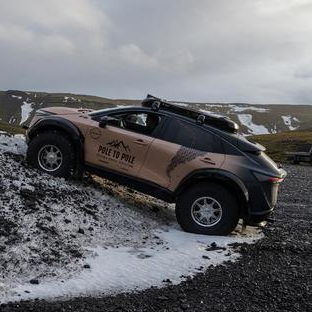
The expedition car got visual upgrades for polar terrain. It had lifted suspension, extended wheel arches, huge 39-inch BF Goodrich snow tyres, a roof rack with expedition lights and strong underbody protection. However, the core of the vehicle — the battery pack and e-4ORCE electric all-wheel drive system — stayed identical to the regular Nissan Ariya you can buy from dealers. This is what makes the journey so incredible.

Conquering Extreme Landscapes Across Continents
The first leg in the Arctic was one of their hardest. Temperatures dropped to -32°C. Cold drains EV battery performance, and thick snow hid sharp rocks underneath. At one point, while pushing through deep snow, hidden rock impact sheared the car’s steering inner rod. Chris and Julie had to fix it out on the ice, with bitter wind cutting through their polar gear. They learned to build small snow walls around the front of the car to shield the battery and cooling system, trapping residual heat to keep the battery pack within its working temperature window. There were no public charging stations here. Their only charging source was portable solar panels and a small wind turbine they carried on the support rig, harvesting energy from the weak polar sunlight and wind.
Once they escaped the Arctic sea ice, they drove south across Canada, through muddy meltwater roads, then down through the United States, Central America, and into South America. The climate flipped violently. They went from frozen ice to scorching desert heat above 30°C, humid rainforest, and the high thin air of the Andes mountains. Charging became a new kind of headache. Many remote towns had broken, incompatible, or non-existent EV chargers. They often relied on local Nissan dealers, small businesses, and the portable renewable rig to top up. They crossed the equator in September 2023, marking the halfway milestone of their global traverse.
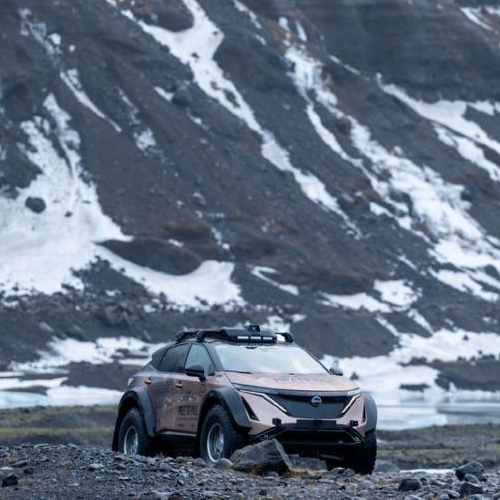
The Darién Gap, the wild, roadless jungle strip between Panama and Colombia, was impossible to drive directly. They arranged to ship the Ariya across this gap, before continuing their push south through Colombia, Ecuador, Peru, Bolivia, Chile, and finally reaching the southern tip of Patagonia. From here, they boarded transport to Antarctica.
The Antarctic segment was the final, brutal chapter. The last driving stretch was 1268 km, climbing from roughly 700 m altitude up to 2835 m at the South Pole. The terrain was endless hard-packed snow, sastrugi — sharp, wind-carved ice ridges that shook the car violently. Winds could rise without warning, visibility dropping to zero in whiteouts. On Antarctica, every spare calorie, every watt of battery power mattered. There was no roadside rescue. If the Ariya failed, they were isolated on the coldest continent on Earth.
What This Journey Shows About the Nissan Ariya
On December 15, 2023, after 10 months on the road, crossing 15 countries and covering over 30,000 km, Chris and Julie Ramsey pulled the Ariya up to the Geographic South Pole. They stepped out, hugged, and raised their flags. They had done what no EV, no car, had ever achieved before.
Chris later said the journey was far harder than he imagined. The Ariya did not win because it was invincible. It won because the e-4ORCE system balanced traction across slippery ice and loose gravel, the battery held together through wild temperature swings, and he and Julie learned to read the land, conserve power, and adapt to every crisis. For Julie, the adventure was about showing people everywhere that EVs are not just city runabouts — they are capable of following human curiosity to the ends of the Earth.
This legendary polar machine was built on the foundation of the regular Nissan Ariya. The same sleek silhouette, the same timeless Japanese futurism design, the same e-4ORCE electric all-wheel drive that carried them across the poles.
Our PAUDI MODEL 1:64 Nissan Ariya Diecast
This is the production-version Ariya — the very base vehicle behind the famous Pole to Pole expedition car.
Our 1:64 scale model faithfully replicates the factory design of the Nissan Ariya:
- Smooth, iconic original body lines
- Signature LED headlight print and Nissan badging
- Two-tone black roof, accurate factory wheel design
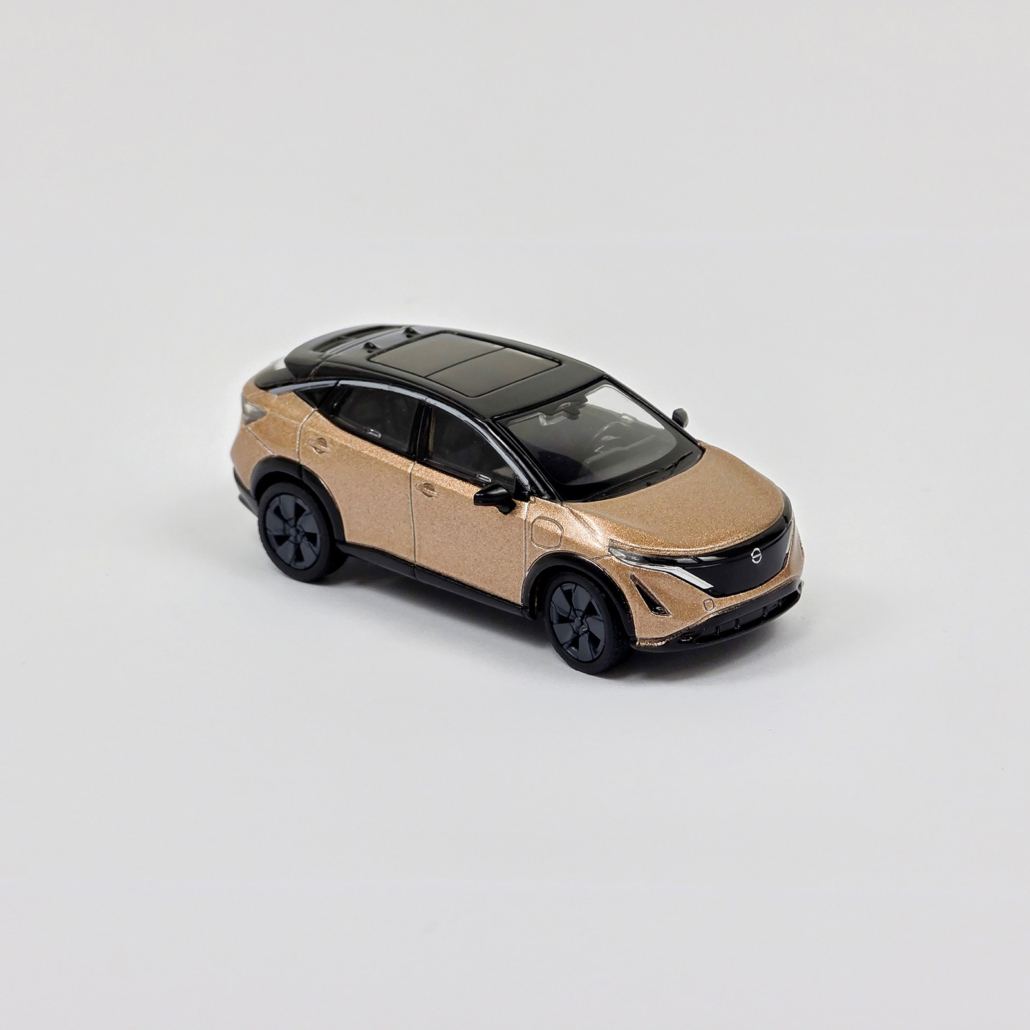
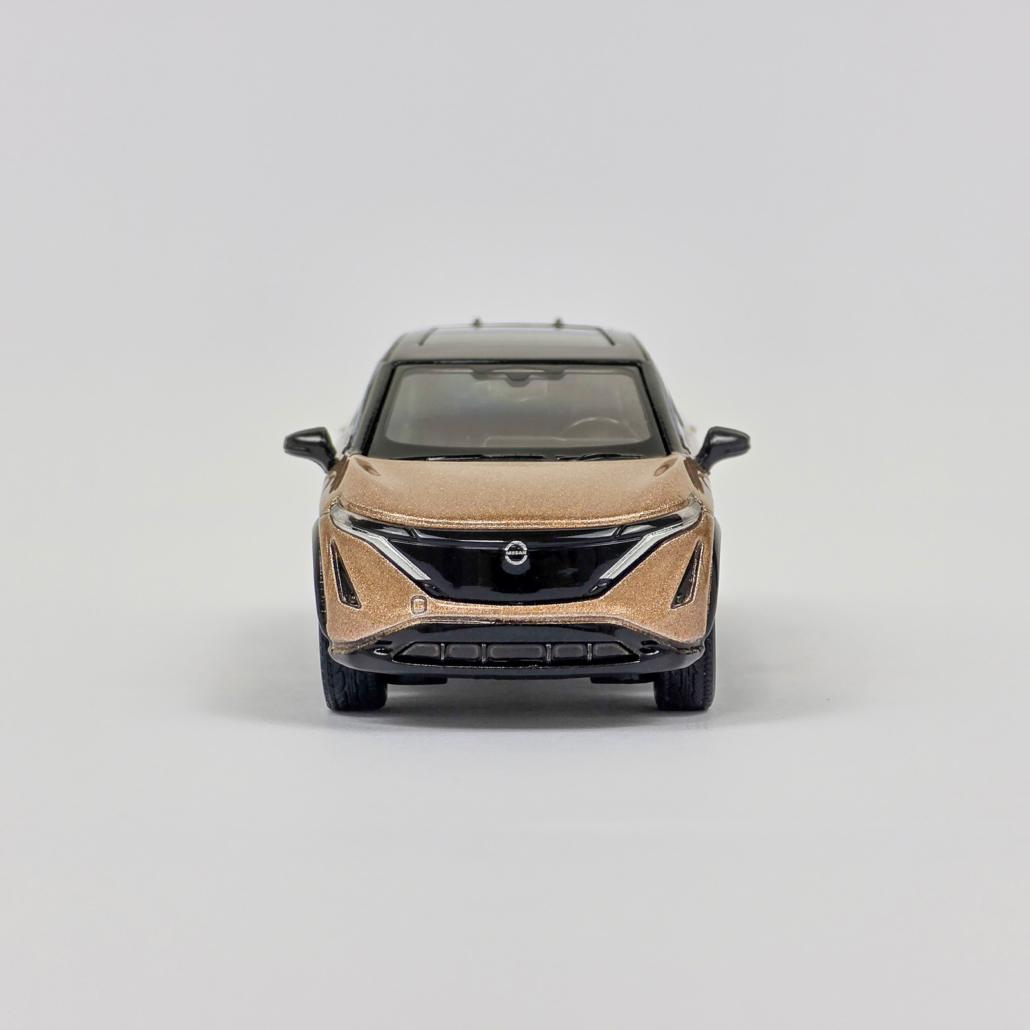
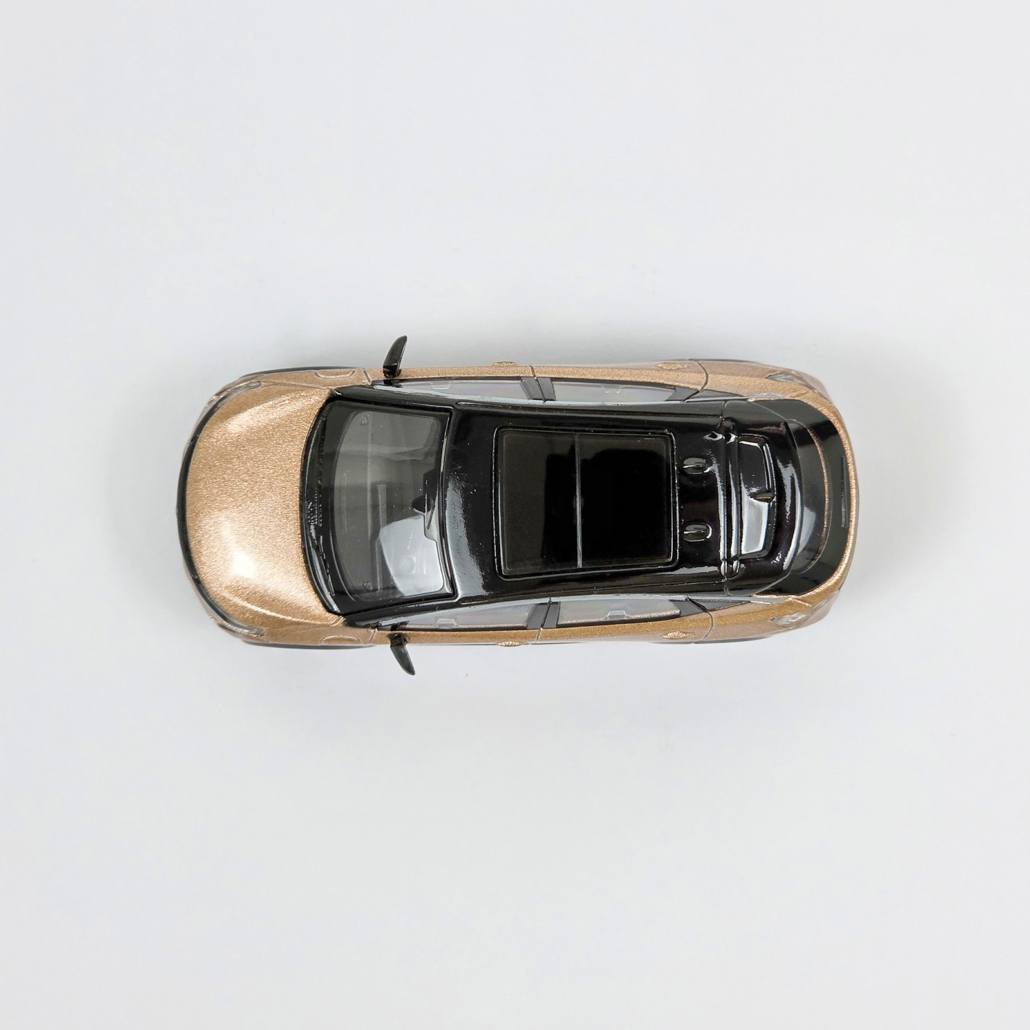
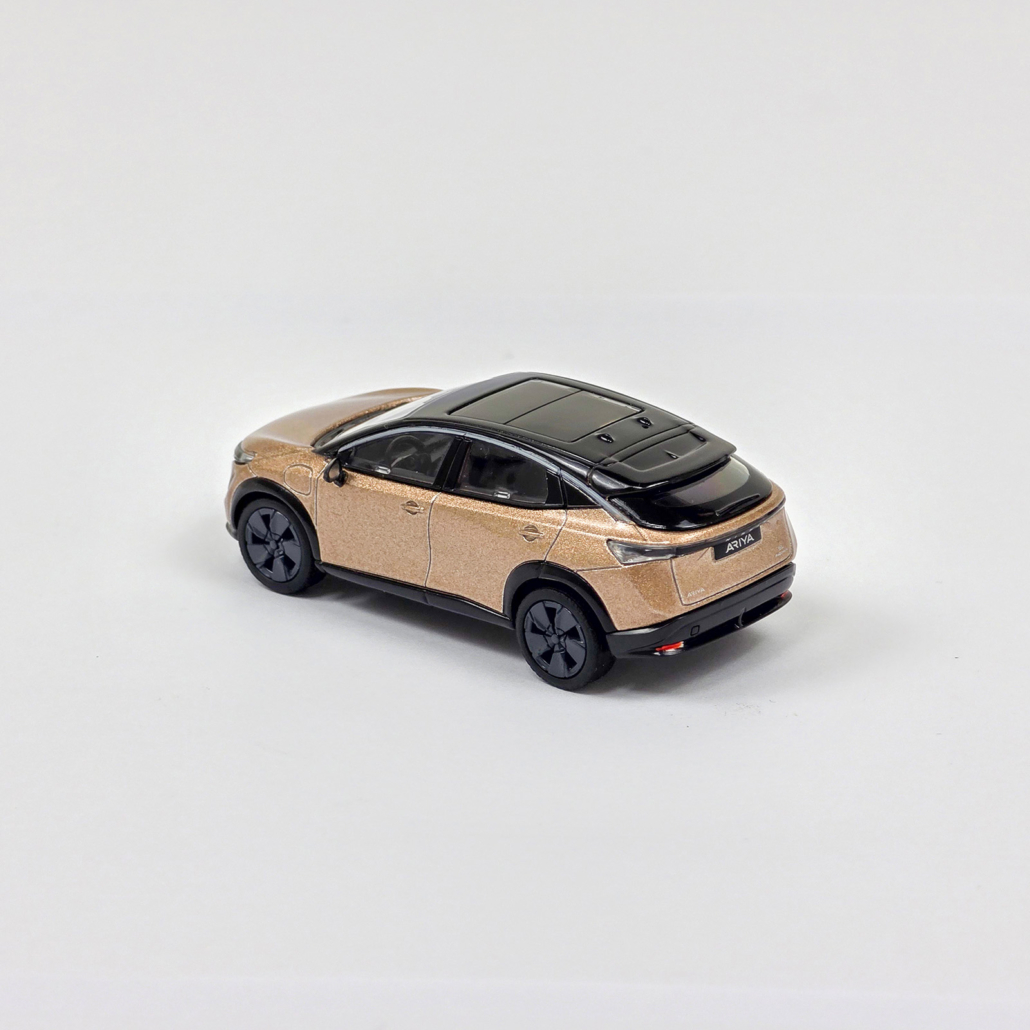
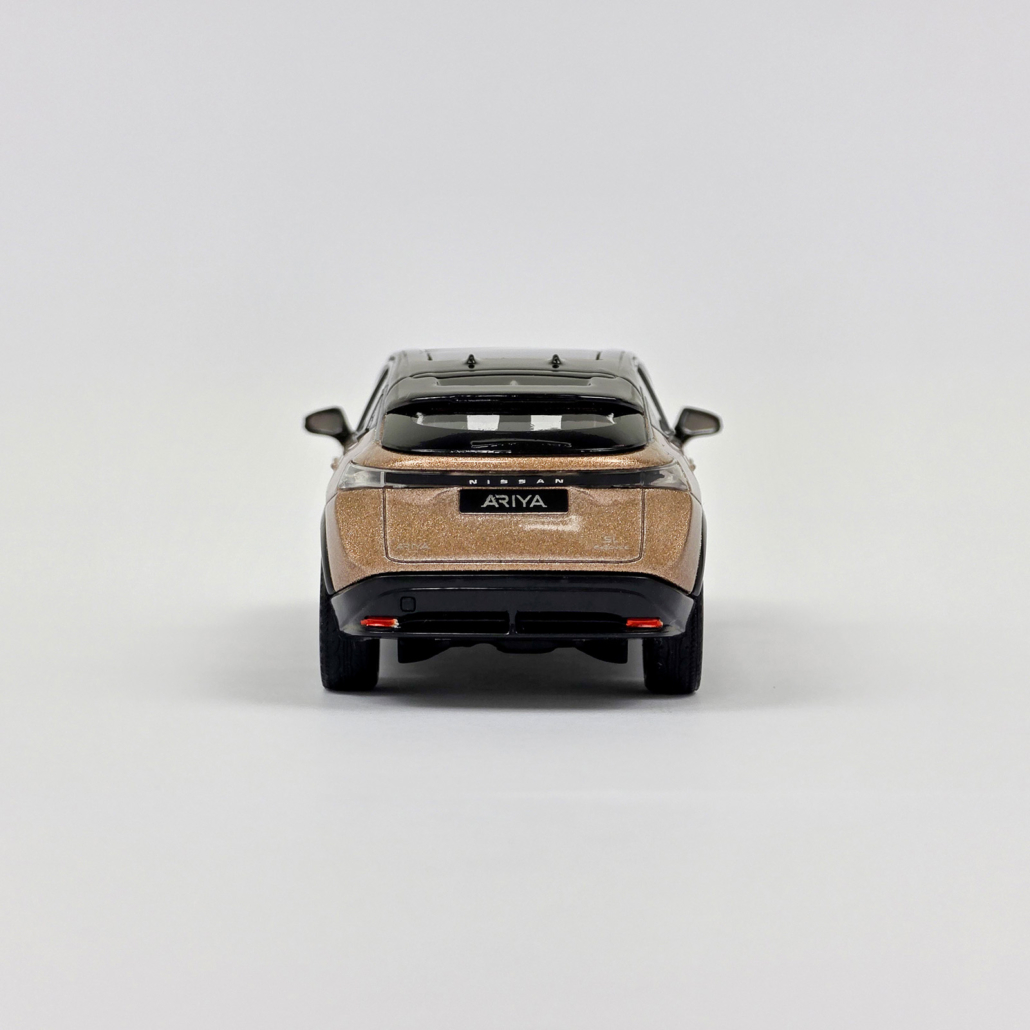
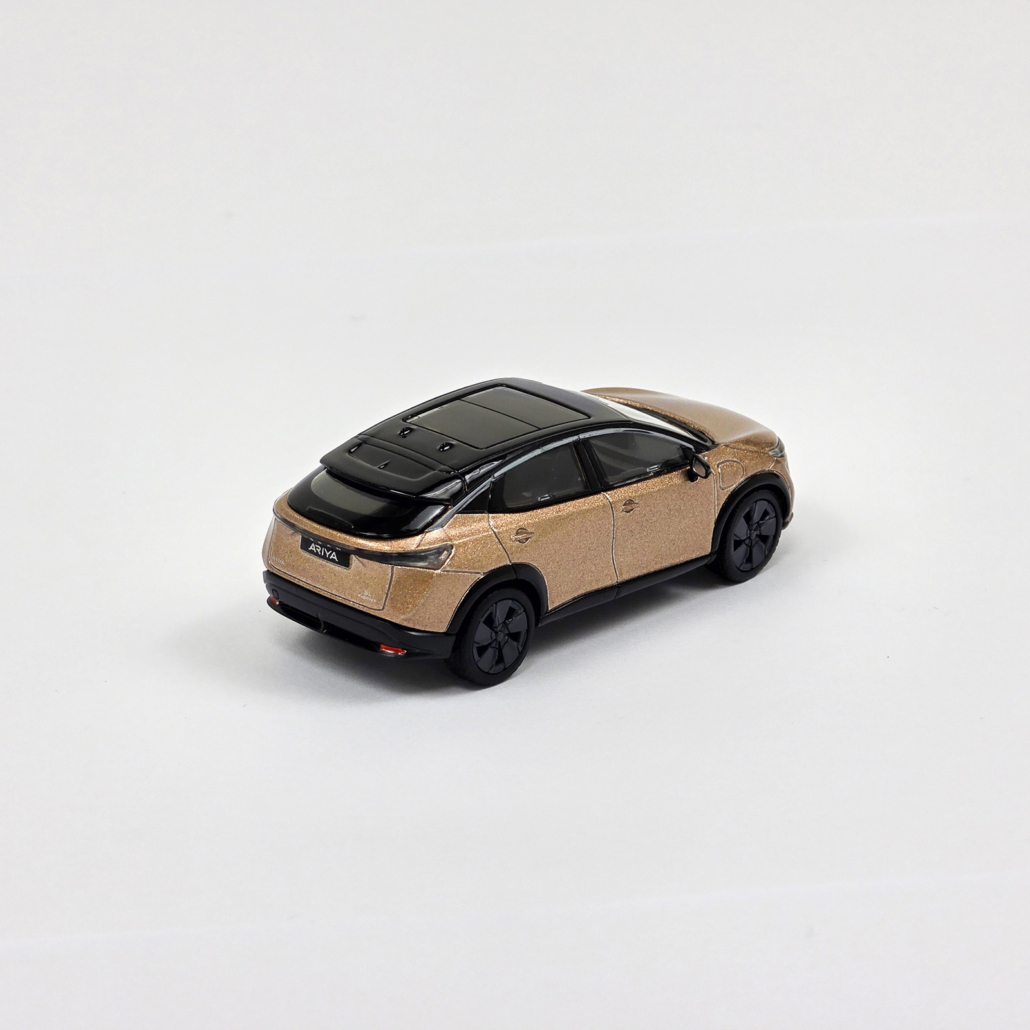
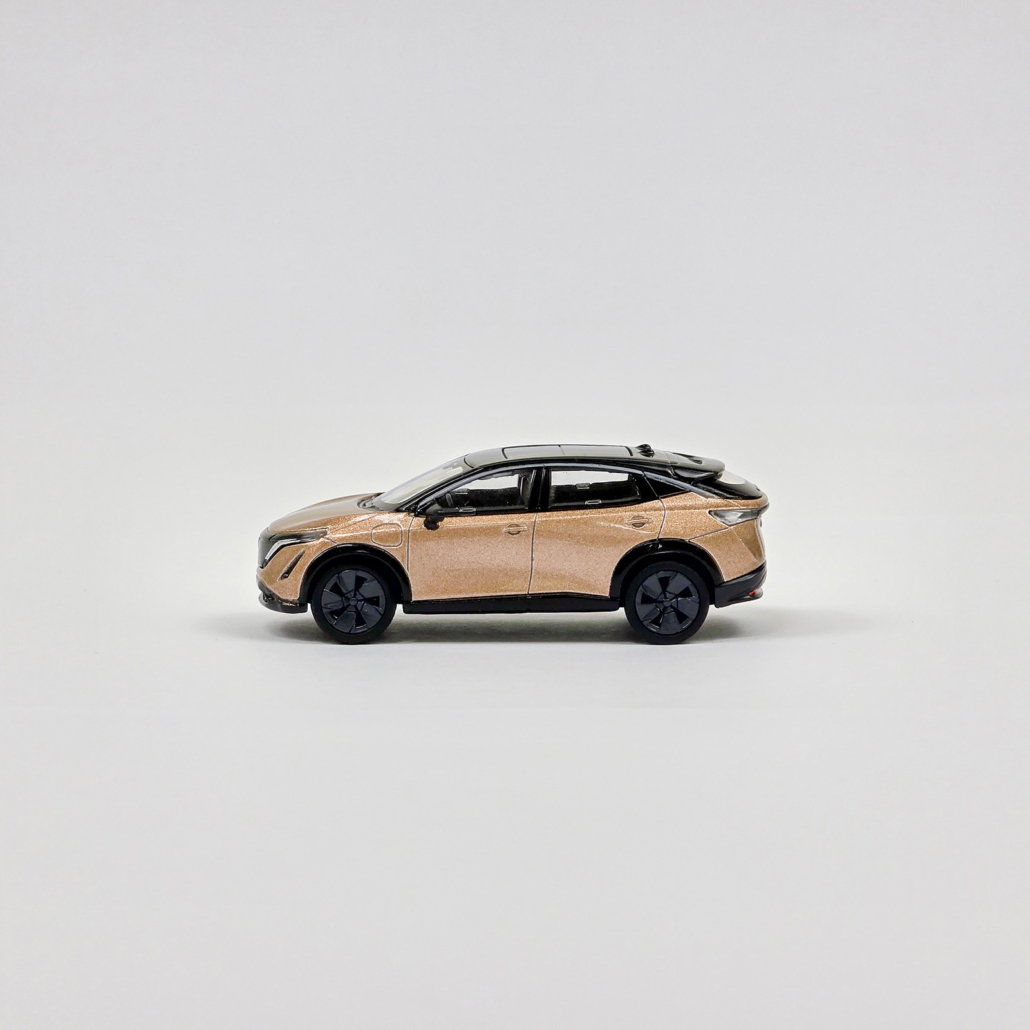
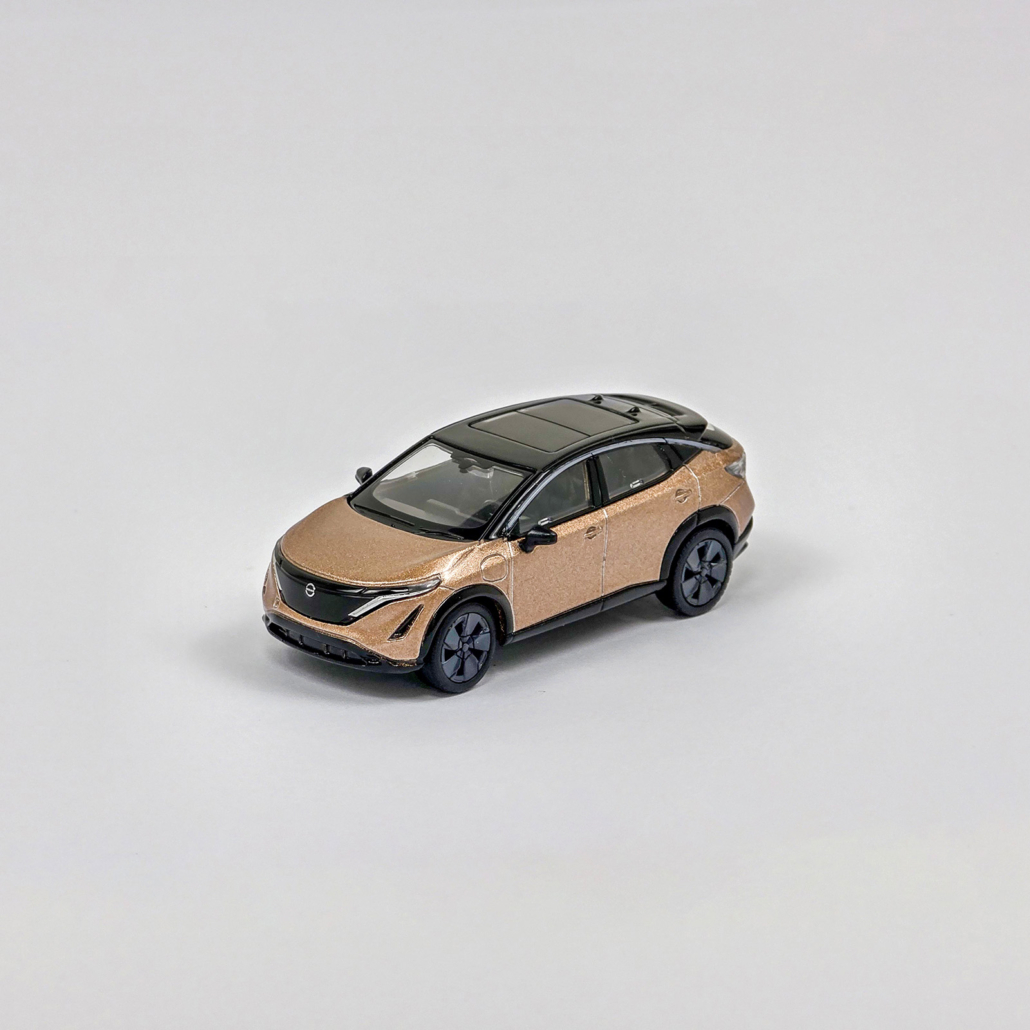
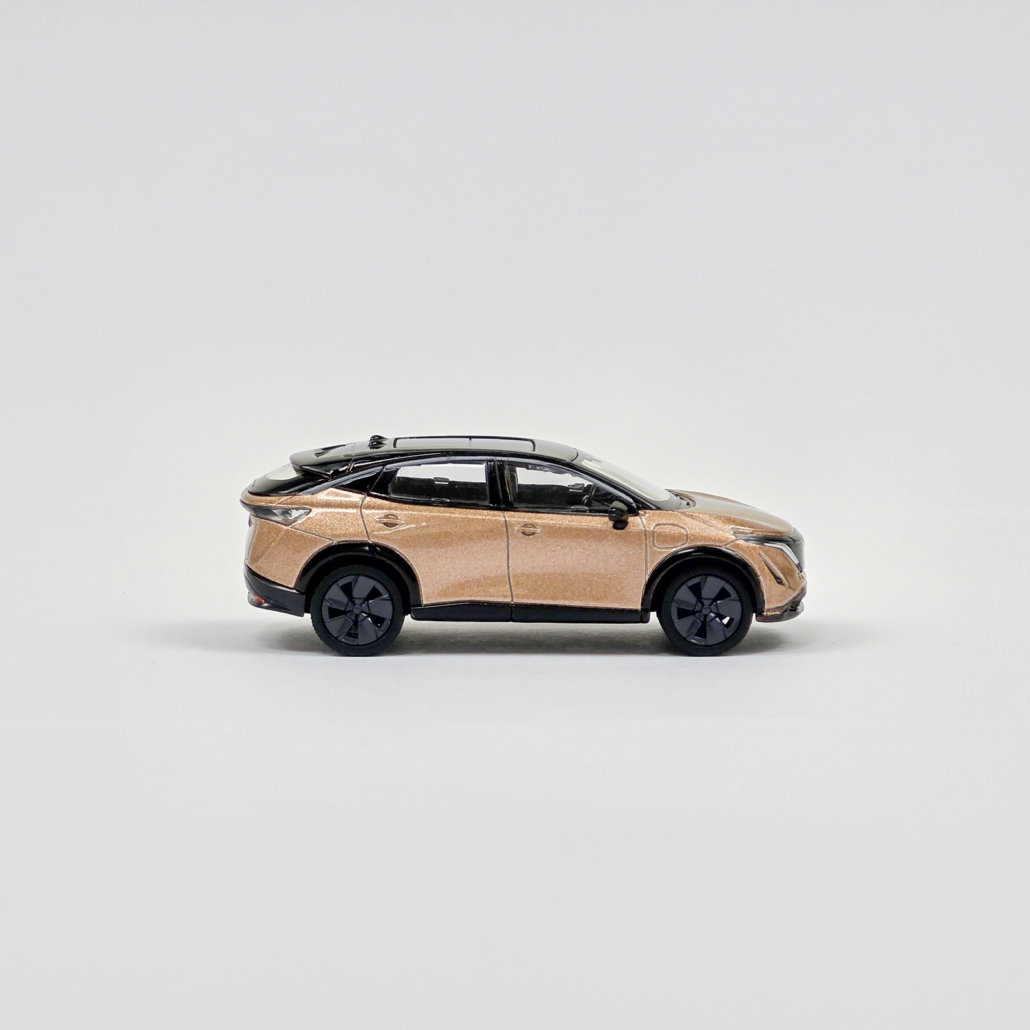
- Available in 3 colours: matte grey, bronze, pearl white
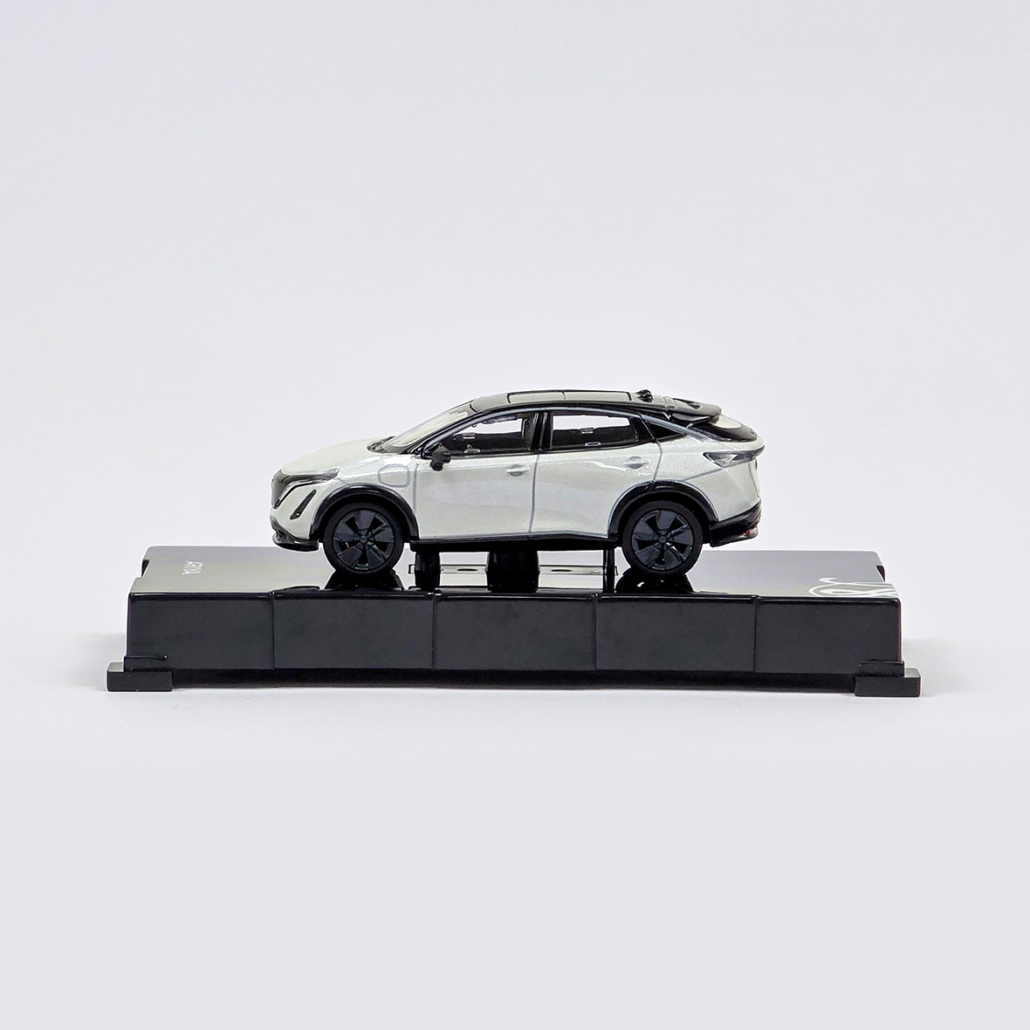
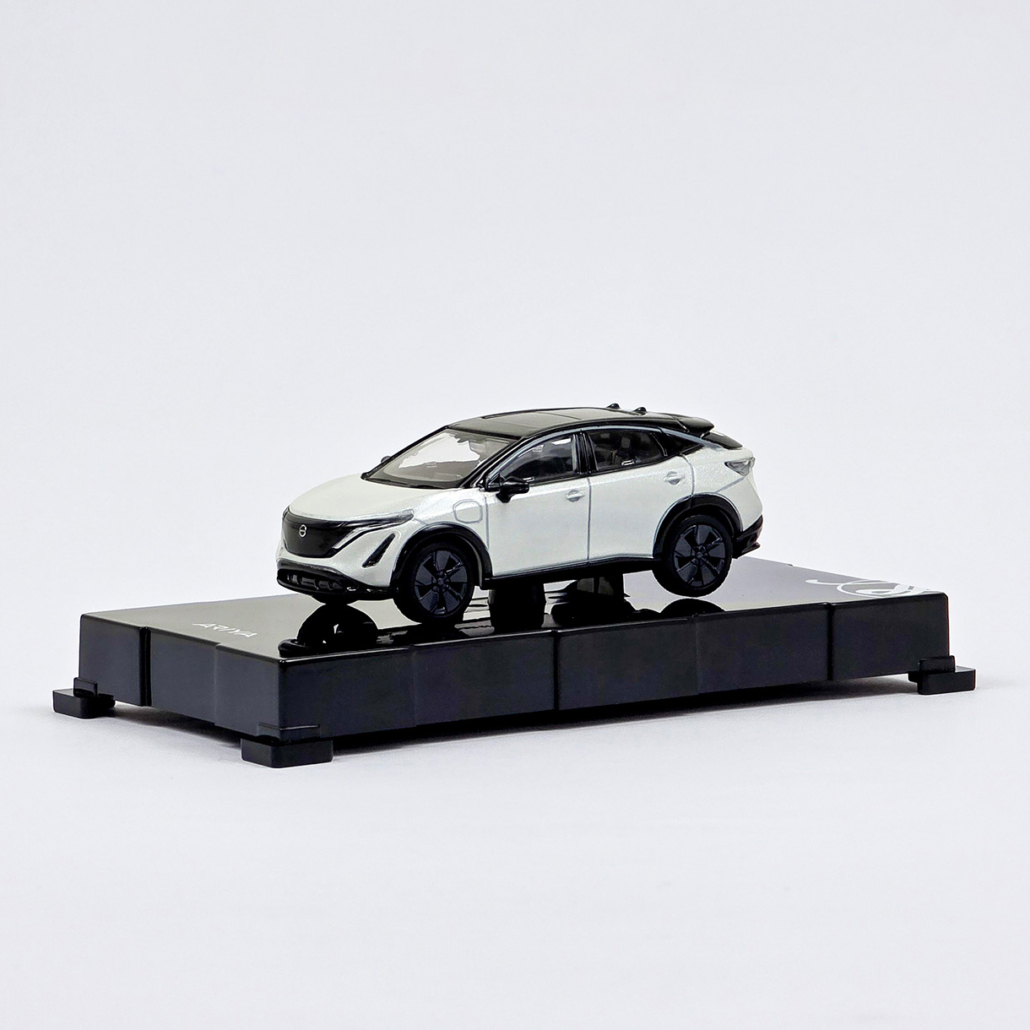
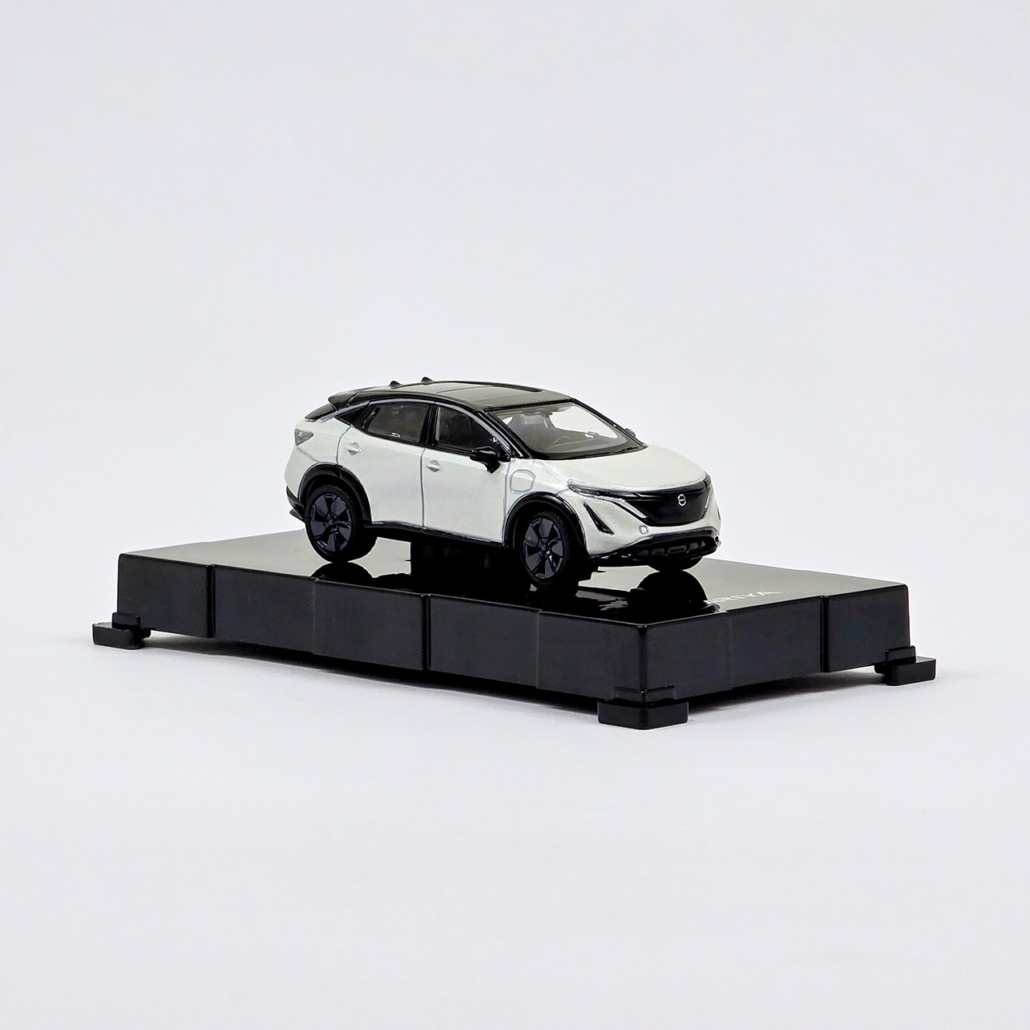
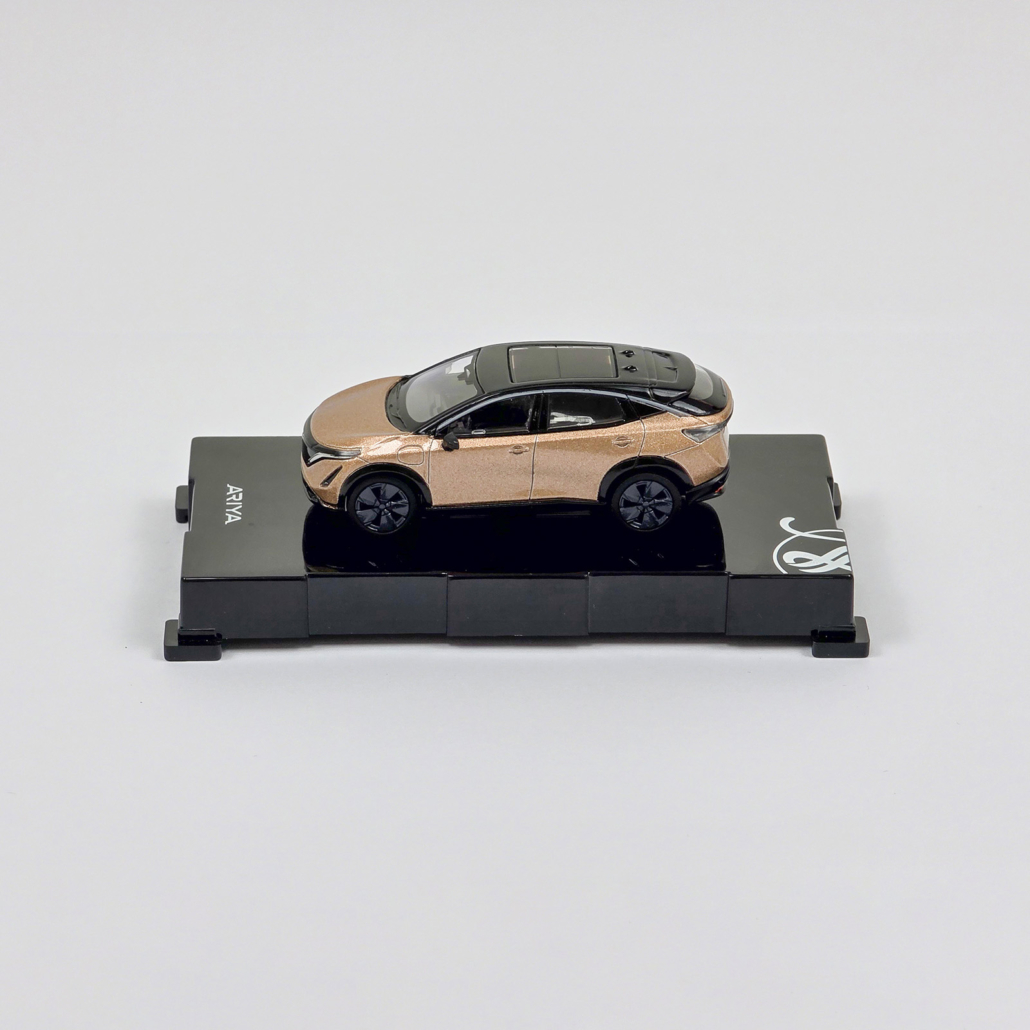
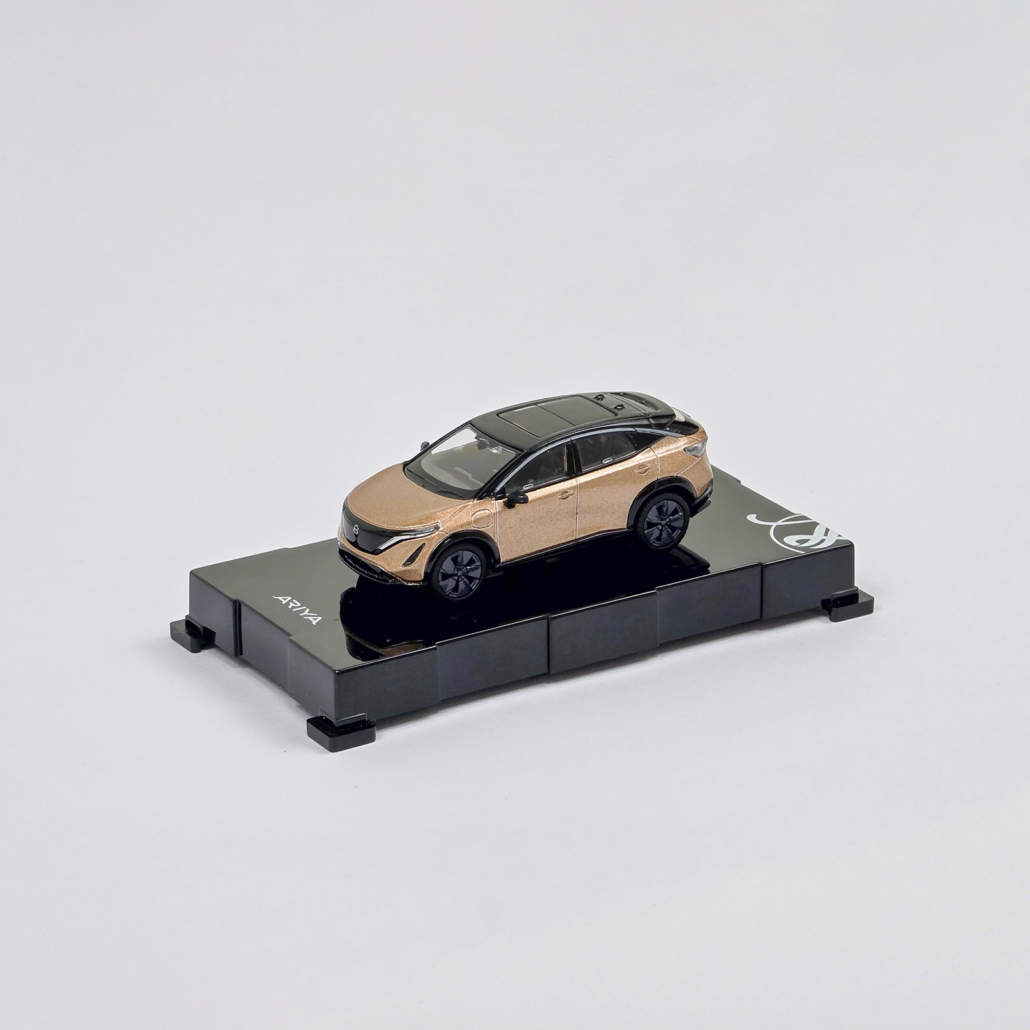
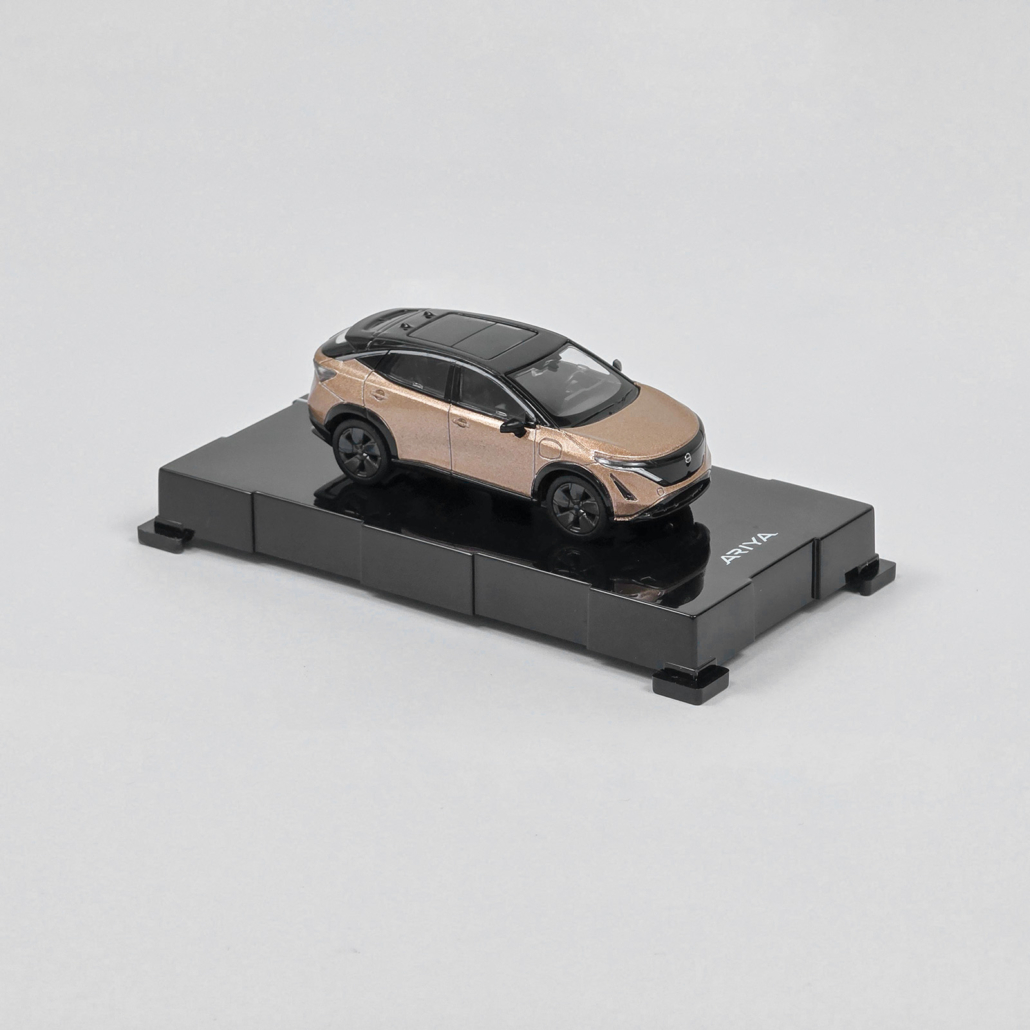
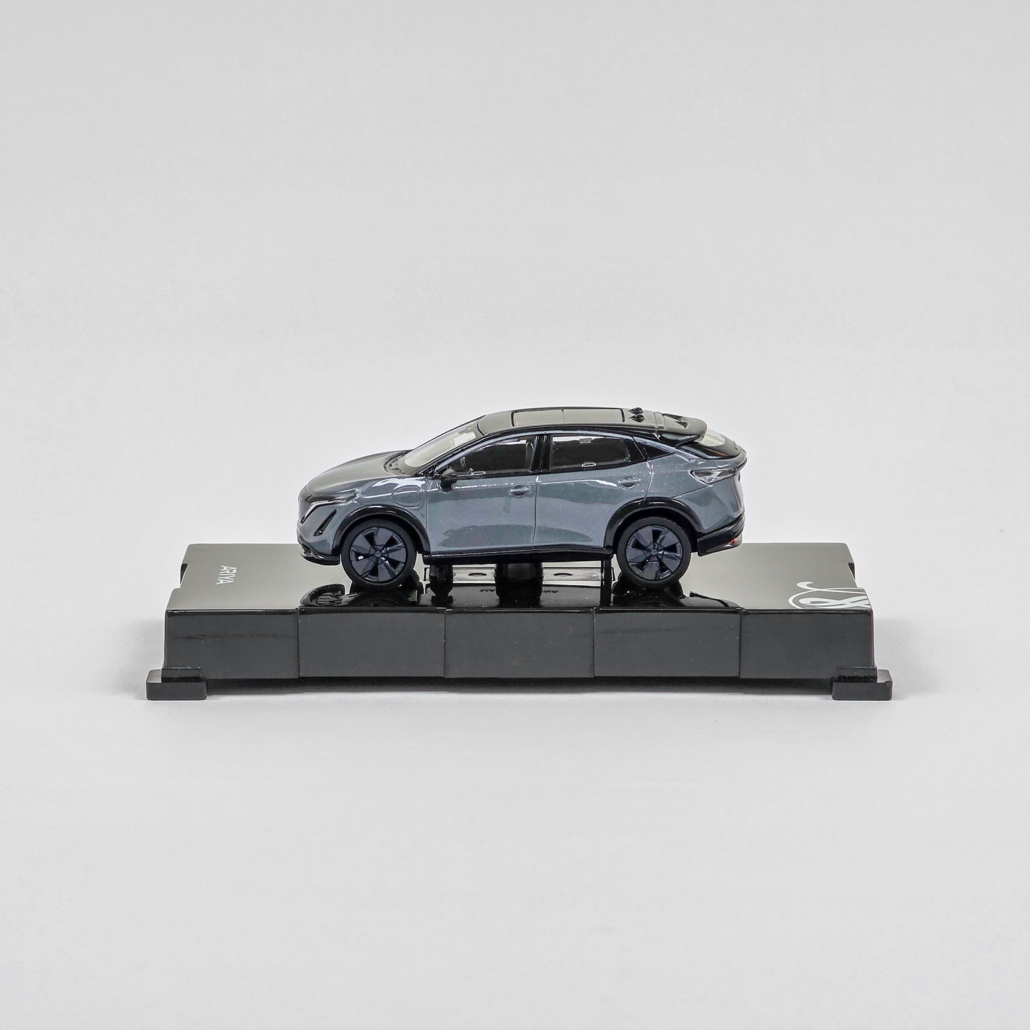
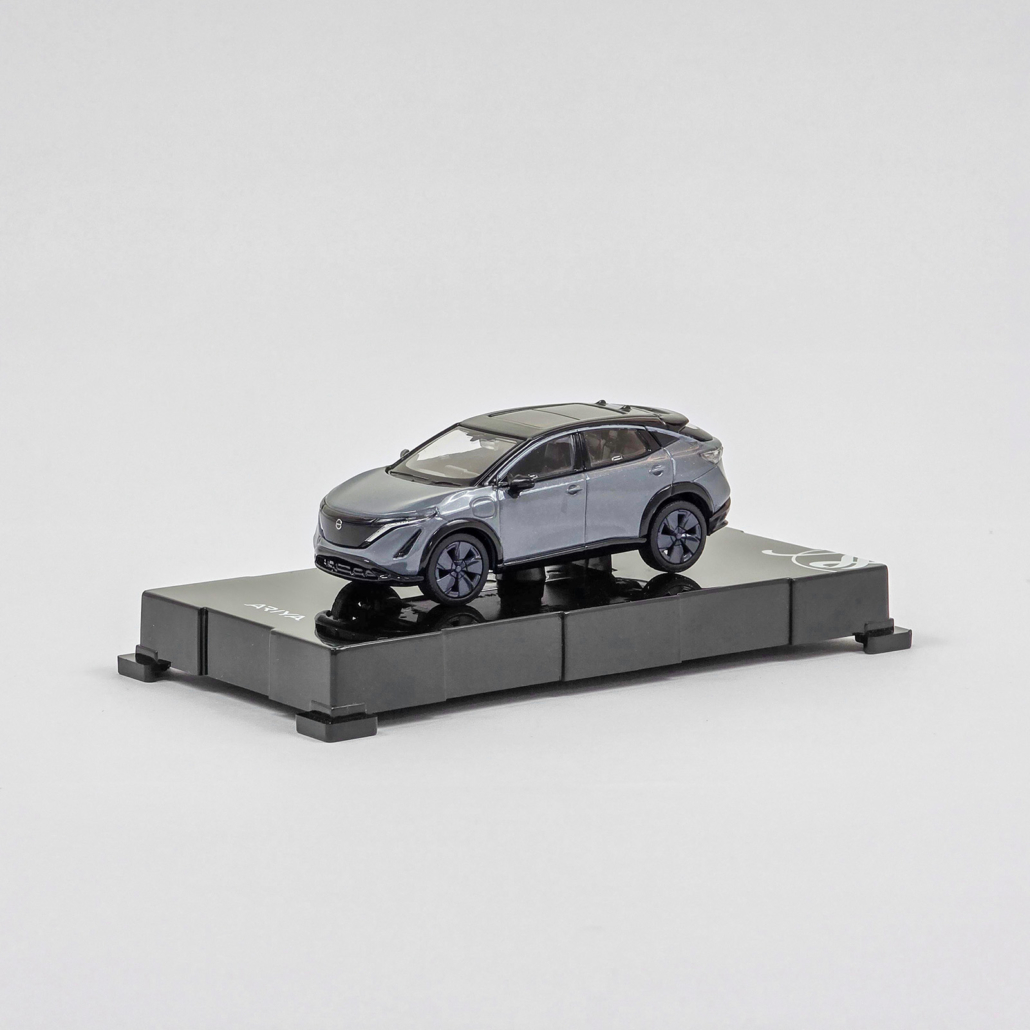
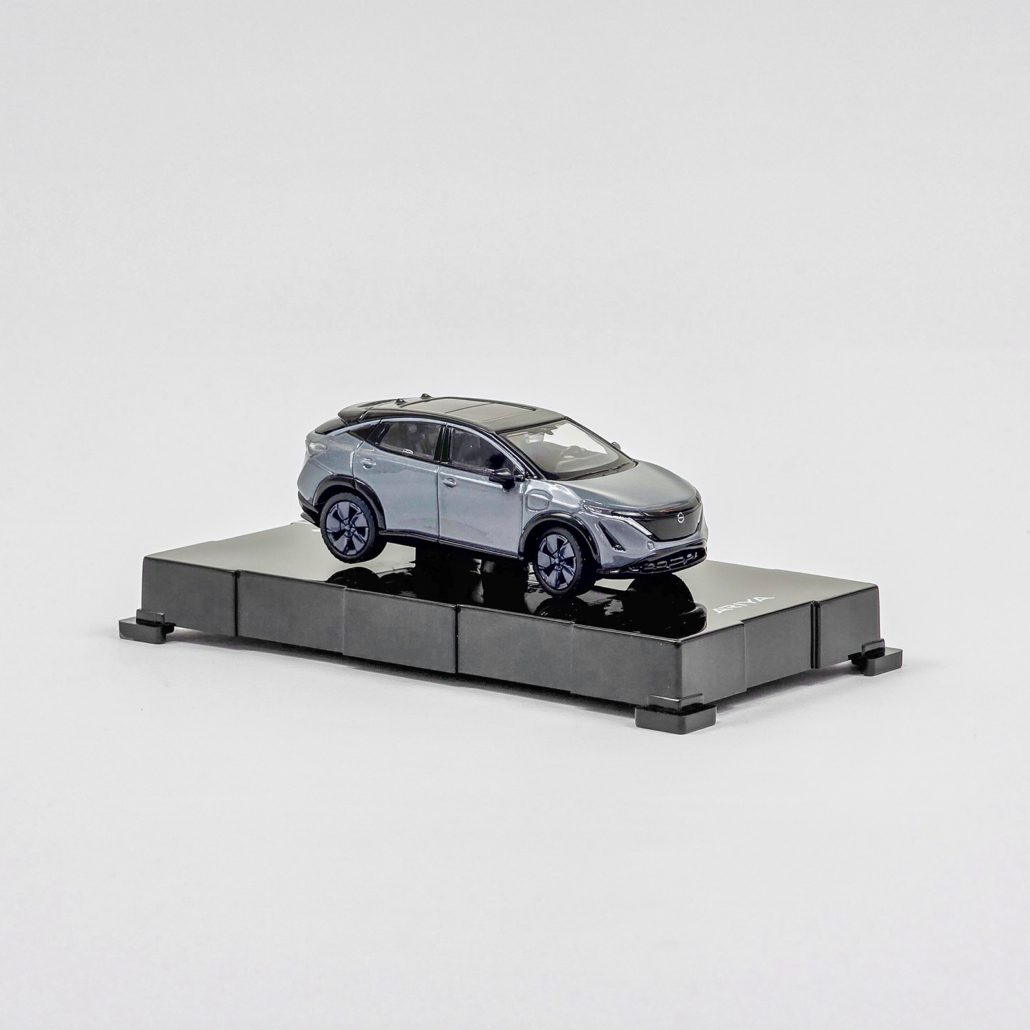
- Size: 70mm long, premium alloy diecast, rubber tires, clear light lenses
This model is more than just a modern JDM SUV collectible. It lets you own the base car that made the pole-to-pole electric adventure possible. It is ideal for JDM shelves, EV-themed dioramas, and a thoughtful gift for fans of electric exploration and Nissan’s e4ORCE technology.
You may not drive to the poles, but you can keep this piece of exploration history on your display.






Hinterlasse einen Kommentar
An der Diskussion beteiligen?Hinterlasse uns deinen Kommentar!